A Guide to Visiting the Science Museum’s Babbage Collection
Welcome to my blog theaihistory.blogspot.com, a comprehensive journey chronicling the evolution of Artificial Intelligence, where we will delve into the definitive timeline of AI that has reshaped our technological landscape. History is not just about the distant past; it is the foundation of our future. Here, we will explore the fascinating milestones of machine intelligence, tracing its roots back to the theoretical brilliance of early algorithms and Alan Turing's groundbreaking concepts that first challenged humanity to ask whether machines could think. As we trace decades of historical breakthroughs, computing's dark ages, and glorious renaissance, we will uncover how those early mathematical dreams paved the way for today's complex neural networks. Join us as we delve into this rich historical tapestry, culminating in the transformative modern era of Generative AI, to truly understand how this revolutionary technology has evolved from mere ideas to systems redefining the world we live in. Happy reading..
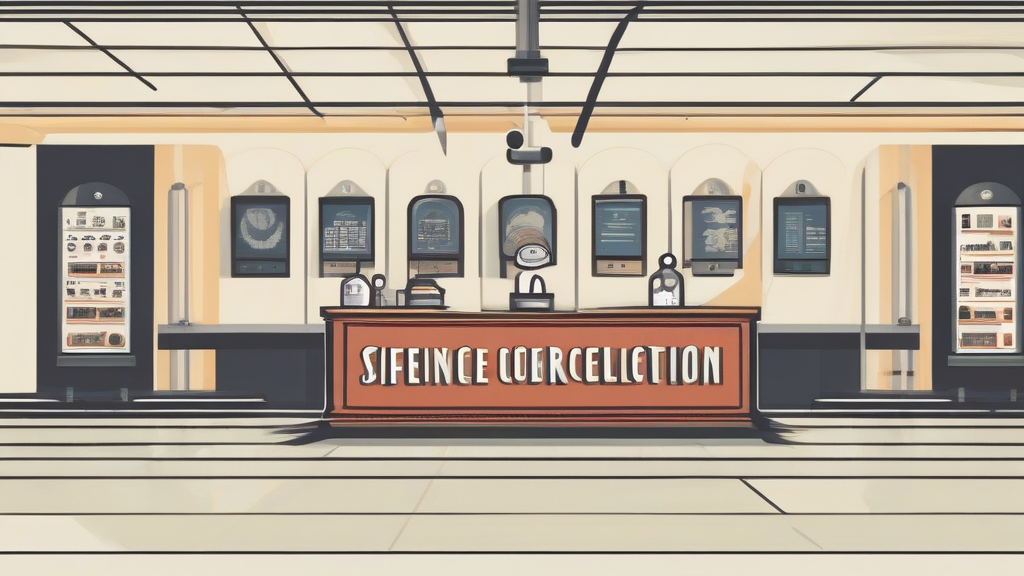
Stepping into the Science Museum in London feels like walking into a time machine. Tucked away in the galleries is a collection that fundamentally changed how I view the digital world we live in today. Before we had sleek smartphones or cloud servers, there was a dream of mechanical logic. Exploring the Babbage Collection offers a fascinating look at the era Before Computers: Ada Lovelace and the 19th-Century Vision of AI.
Most visitors rush past the heavy brass gears, but if you stop to look, you see the blueprint of the modern world. It is a story of ambition, Victorian engineering, and a partnership that defied the social norms of the 1840s. Whether you are a tech enthusiast or just curious about history, this exhibit is a must-see.
Planning Your Visit to the Babbage Collection
The Science Museum is located in South Kensington, and it is generally free to enter, though you should book a timed entry slot online to avoid disappointment. Once you arrive, head straight for the "Computing Gallery." It is easy to get distracted by the planes and space rockets, but keep your eyes peeled for the intricate metal structures that house the Difference Engine No. 2.
I suggest arriving early in the morning. The museum gets crowded by midday, and you really want a quiet moment to appreciate the sheer scale of these machines. If you have kids with you, there are plenty of interactive displays nearby, but the Babbage exhibit rewards those who slow down and read the placards.
What to Expect from the Exhibits
You are going to see a massive amount of brass and steel. The centerpiece is undoubtedly the Difference engine, a mechanical calculator designed to tabulate polynomial functions. It is a beast of a machine, consisting of thousands of individual parts, all hand-finished by Victorian craftsmen.
Beyond the hardware, the museum does a great job of explaining the logic behind the madness. They display original notes and diagrams that show how these men and women thought about calculation. It is one thing to see a photo of these devices in a textbook; it is quite another to stand in front of them and realize they were built without electricity or modern manufacturing tools.
Before Computers: Ada Lovelace and the 19th-Century Vision of AI
You cannot talk about Babbage without talking about Ada Lovelace. She was the one who saw the potential for these machines to go beyond simple arithmetic. While Babbage focused on the mechanical construction, Lovelace understood that the machine could manipulate symbols, not just numbers.
She essentially wrote the first algorithm intended to be processed by a machine. Some historians argue that her work represents the first true glimpse into what we now call artificial intelligence. Seeing her manuscripts in the collection is a humbling experience. She saw a future where machines could create music, art, and complex logical patterns, long before the computer as we know it existed.
The Partnership That Defined an Era
The relationship between Babbage and Lovelace was intellectual and intense. They were two people pushing the boundaries of what was possible in a society that was often resistant to radical change. Lovelace described her approach as "poetical science," a term that perfectly captures the beauty of her vision.
When you walk through the exhibit, look for the letters and documents that detail their correspondence. You get a sense of the excitement they shared. They weren't just building a calculator; they were trying to map the very limits of human knowledge. It makes you wonder how much faster technology might have advanced if they had the funding and the materials they desperately needed.
Why This History Matters for Modern Business Owners
Why should an entrepreneur care about 19th-century clockwork? Because the challenges they faced are the same ones we face today. Innovation is rarely a straight line. It is messy, it is expensive, and it often feels like you are shouting into the void.
Babbage never finished his Analytical Engine during his lifetime. Does that make his work a failure? Absolutely not. His ideas served as the foundation for future generations. For anyone running a business, there is a lesson here: your current projects might not be the "final product," but they are the necessary stepping stones for whatever comes next.
Lessons in Persistence and Vision
- Don't be afraid to pursue "impossible" ideas.
- Document your process, even if the result isn't perfect.
- Collaborate with people who think differently than you do.
- Understand that timing is everything in the market.
Lovelace didn't live to see the digital age, yet her vision remains relevant. When you are struggling with a new strategy or feeling discouraged by a lack of progress, remember that you are part of a long lineage of thinkers. The tools change, but the vision stays the same.
Practical Tips for Your Museum Trip
If you are traveling to London specifically for this, make sure to check the museum's website for any temporary closures or special talks. They occasionally host curator-led tours of the Babbage Collection, which are worth every penny. You get to hear stories that aren't on the wall labels.
Bring a notebook. Seriously. I find that when I write things down by hand, I retain the information better. Standing in the gallery, surrounded by the ghosts of industrial innovation, you will have plenty of ideas worth jotting down.
Navigating the Science Museum
The museum is huge, so pace yourself. Here is how I usually structure my day:
- Start with the Babbage Collection to beat the crowds.
- Grab a coffee at the museum cafe to process what you have seen.
- Head to the Space Gallery for a change of pace.
- Finish at the gift shop—they have some surprisingly high-quality books on computing history.
The gift shop is actually a hidden gem. I have found biographies of Lovelace and detailed prints of Babbage’s designs there that I haven't seen anywhere else. It’s the perfect place to pick up a souvenir that actually means something.
Reflecting on the Legacy of Babbage and Lovelace
Walking out of the museum, you will likely see the world a bit differently. Every time I use a spreadsheet or open an app, I think about those brass gears. We owe a debt to those who dared to dream of machines that could think.
The 19th-century vision of AI was not about robots taking over; it was about the extension of human intellect. It was about creating a partner in logic. That is still the core of what we do today. Whether you are using software to automate your emails or analyzing data to grow your business, you are walking the path they paved.
Take the time to visit the collection. It is not just a trip to a museum; it is a pilgrimage to the source of our modern digital existence. You might be surprised by how much you learn about yourself in the process.
Summary of Key Takeaways
If you remember nothing else, remember this: innovation requires a mix of technical grit and imaginative leaps. Babbage provided the grit, and Lovelace provided the leap. Together, they created a legacy that still fuels our technological advancements.
Do not just look at the machines; look at the stories behind them. Think about the people who spent their lives working on something they knew they might never see completed. That is the true spirit of progress. If you find yourself in London, make this collection a priority. It is the best way to connect with the roots of the digital world.
Have you visited the Science Museum yet? What was your favorite part of the computing exhibit? Let me know in the comments below, and let's keep the conversation about the history of technology going!
Thank you for reading my article carefully, thoroughly, and wisely. I hope you enjoyed it and that you are under the protection of Almighty God. Please leave a comment below.
Post a Comment for "A Guide to Visiting the Science Museum’s Babbage Collection"