The Impact of Computerized Psychotherapy: ELIZA's Legacy in Mental Health Apps
Welcome to my blog theaihistory.blogspot.com, a comprehensive journey chronicling the evolution of Artificial Intelligence, where we will delve into the definitive timeline of AI that has reshaped our technological landscape. History is not just about the distant past; it is the foundation of our future. Here, we will explore the fascinating milestones of machine intelligence, tracing its roots back to the theoretical brilliance of early algorithms and Alan Turing's groundbreaking concepts that first challenged humanity to ask whether machines could think. As we trace decades of historical breakthroughs, computing's dark ages, and glorious renaissance, we will uncover how those early mathematical dreams paved the way for today's complex neural networks. Join us as we delve into this rich historical tapestry, culminating in the transformative modern era of Generative AI, to truly understand how this revolutionary technology has evolved from mere ideas to systems redefining the world we live in. Happy reading..
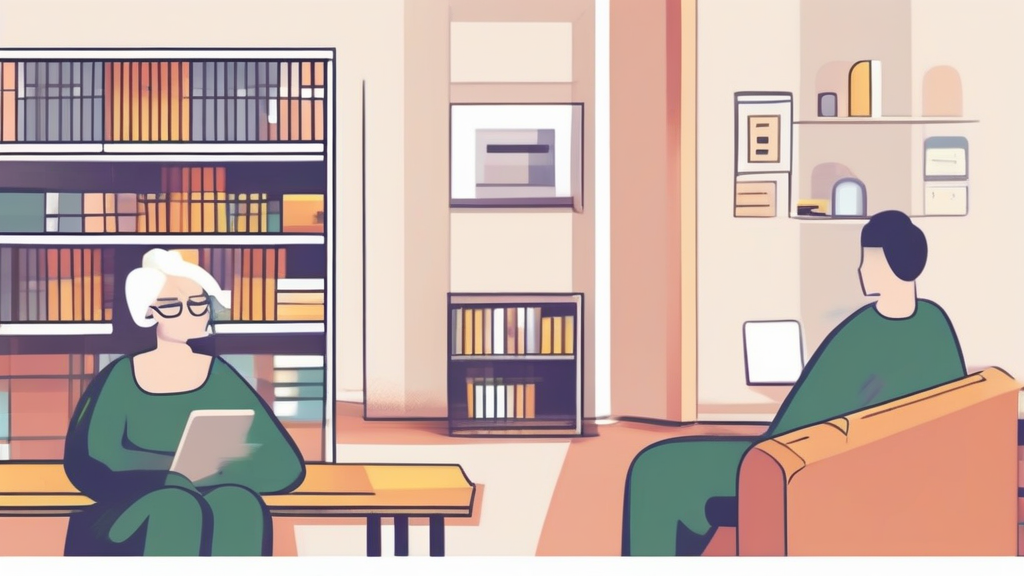
Back in the mid-1960s, a researcher at MIT named Joseph Weizenbaum created something that would baffle and fascinate the world for decades. If you want to understand the origins of the apps currently sitting on your smartphone, you have to meet ELIZA: the 1960s computer program that became the world's first chatbot. It wasn't just a party trick; it was a mirror held up to human psychology.
I remember the first time I read about this experiment. It felt like science fiction, yet it was happening while my parents were still in high school. Weizenbaum designed this program to mimic a Rogerian psychotherapist, reflecting user input back as questions. The result was eerie. People began to form genuine emotional bonds with a machine that was, quite frankly, just a series of simple pattern-matching scripts.
Why did it work so well? Perhaps because we are hardwired to seek connection, even when we know we are talking to a box of wires and code. Today, that legacy lives on in the mental health apps we use to track our moods, manage anxiety, or find a moment of peace during a hectic workday.
The Birth of Computerized Psychotherapy and ELIZA's Legacy
When ELIZA first appeared, it didn't have the sophisticated neural networks that define modern artificial intelligence. Instead, it used a basic technique of rephrasing statements into questions. If you told it, "My mother is bothering me," it might respond with, "Tell me more about your mother."
It was a clever illusion. Weizenbaum himself was actually horrified by how quickly people anthropomorphized his creation. He watched as his secretary asked him to leave the room so she could have a "private" conversation with the computer. She truly believed the machine understood her.
This phenomenon, often called the ELIZA effect, remains a cornerstone of how we interact with technology. We project our own humanity onto the systems we use. When an app reminds you to breathe or suggests a cognitive behavioral therapy exercise, you aren't just interacting with data; you are engaging with a digital surrogate that feels surprisingly attentive.
Why the 1960s chatbot still matters today
The core of Meet ELIZA: the 1960s computer program that became the world's first chatbot isn't just about nostalgia. It’s about understanding the fundamental human need for active listening. ELIZA proved that the simple act of being heard—or at least having your words reflected back to you—has therapeutic value.
Modern mental health apps have taken this concept and supercharged it. They offer:
- Immediate availability, 24/7.
- A non-judgmental interface that feels safe for those with social anxiety.
- Data-driven insights into emotional patterns.
- Affordable alternatives to traditional therapy sessions.
Of course, a chatbot cannot replace a human therapist. A machine lacks the nuance of lived experience, the warmth of a genuine smile, and the ability to detect subtle emotional cues. But for many, these tools serve as a bridge. They provide the initial step into self-care that might otherwise feel too daunting to take alone.
The Evolution of Digital Mental Health
We’ve come a long way since the green-screen terminals of the 1960s. Today, we carry pocket-sized therapists that utilize sophisticated natural language processing to interpret our moods. The transition from ELIZA’s simple scripts to today’s adaptive AI represents a massive shift in how we approach wellness.
Business owners and developers are now leaning heavily into this space. They see the demand for scalable mental health solutions. It makes sense, right? If you can provide someone with a tool that helps them manage a panic attack at 3 AM, you’ve provided real, tangible value.
However, this shift brings up important ethical questions. Who owns the data from these intimate conversations? How do we ensure that these bots provide accurate, safe advice? Weizenbaum’s original concerns about his program are more relevant than ever. Just because a machine can mimic empathy doesn't mean it should be the sole provider of care.
Balancing innovation with human connection
I’ve tested dozens of these apps over the years. Some are brilliant, using evidence-based techniques like journaling or mood tracking to keep me grounded. Others feel hollow, firing off generic affirmations that miss the mark. The ones that succeed are those that acknowledge their limitations.
The best apps don't try to "be" your therapist. They try to be your coach, your tracker, or your daily companion. They use the lessons learned from ELIZA to create a safe space for expression, while always knowing when to nudge the user toward a real human professional if things get heavy.
It’s a delicate balance. We need technology to fill the gaps in our strained healthcare systems, but we must never lose sight of the fact that human connection is irreplaceable. The goal should always be to augment human care, not replace it entirely.
The Future of Chatbots in Wellness
Looking ahead, the trajectory is clear. We are moving toward more predictive models. Instead of waiting for you to tell the bot you’re feeling sad, the app might notice a change in your typing speed, your sleep patterns, or your social media usage and suggest a check-in before you even realize you need one.
Is this intrusive? Maybe. Is it helpful? Absolutely. Imagine a world where your phone acts as a silent guardian for your mental health, providing support exactly when you need it most. That’s the potential of the digital tools we are building today.
But we have to be careful. We need to maintain the "human-in-the-loop" approach. As we advance, the ethics of these systems will become the defining conversation of the industry. We need transparency, privacy, and a commitment to genuine well-being over simple engagement metrics.
What can we learn from the past?
If there’s one takeaway from the history of ELIZA, it’s that we are easily comforted by technology. We want to be heard. We want to be understood. We want to know that our struggles are acknowledged, even if it's by a machine.
When you use a modern mental health app, take a second to consider the lineage of that interaction. You’re part of a long chain of people who have found comfort in a digital mirror. It’s a fascinating, if slightly strange, part of the human experience.
Whether you're an entrepreneur looking to enter the health-tech space or just someone trying to find a better way to manage your stress, keep this history in mind. Use these tools, enjoy their convenience, but never forget the value of a real, face-to-face conversation with a friend or a professional.
Final Thoughts on Digital Therapy
We live in a time where the boundaries between the digital and the physical are thinner than ever. Technology has become an extension of our own minds. In the context of mental health, this can be a powerful force for good if we use it wisely.
The story of ELIZA reminds us that while technology can be a helpful guide, it’s not the destination. It’s a starting point. It’s a catalyst for self-reflection. It’s a tool that helps us organize our thoughts so we can better understand ourselves.
If you're feeling overwhelmed, don't hesitate to reach out for help. Use the apps, read the articles, and engage with the chatbots. But please, make sure you also reach out to the people in your life who care about you. Technology can offer a lifeline, but human connection is what keeps us afloat.
Are you using digital tools to manage your mental health, or are you still skeptical of the "ELIZA" approach? I’d love to hear your thoughts. Let's keep the conversation going and continue to push for a future where mental health support is accessible, effective, and deeply human.
If you found this look back at the history of chatbots interesting, consider sharing this post with someone who might need a little extra support today. You never know who is struggling in silence, and sometimes, a simple nudge is all it takes to help them find the resources they need.
Thank you for reading my article carefully, thoroughly, and wisely. I hope you enjoyed it and that you are under the protection of Almighty God. Please leave a comment below.
Post a Comment for "The Impact of Computerized Psychotherapy: ELIZA's Legacy in Mental Health Apps"